

Office Relocation Tips to Keep Your Business Running Smoothly
Posted May 14th, 2026
A business move can feel exciting at first. A better location. More room. A fresh setup. But once the packing starts, the stress shows up fast. Phones get unplugged. Workstations go dark. Files go missing. Your team loses time, and your customers can feel it too.
Done right, office moves do not have to throw your business off track. With the right plan, you can protect productivity, keep your team focused, and get back to normal much faster.
Why downtime hurts more than most businesses expect
When a company relocates, the highest cost is not always the truck or the boxes. It is the lost time. Missed calls, delayed projects, confused staff, and slow setup can all create problems that last longer than moving day itself.
That is why office moves need more than muscle. They need a real plan. When every step is organized before moving day, your business has a much better chance of staying active during the transition.
Start planning earlier than feels necessary.
The best office moves start weeks before the first box is packed. Early planning gives you breathing room. It helps you make smart choices instead of rushed ones.
Start by naming one point person inside your company. That person should manage timelines, vendors, team updates, and last-minute questions. Then map out what must stay live during the move. Think of the internet, phones, payroll, customer service, and any tools your team uses every day.
A simple checklist goes a long way here:
- moving date
- department priorities
- equipment list
- utility setup
- staff responsibilities
The earlier you plan, the less chaos you will face later.
Move in phases, not all at once
Smart office moves happen in phases. That is one of the easiest ways to cut downtime. Instead of shutting everything down at once, move low-priority items first. Storage boxes, extra furniture, and archived files can usually go before your main workstations. Next, move teams that can work remotely or take a short pause. Save your core team and essential systems for last.
This phased approach keeps your business running while the relocation is happening in the background. It also makes setup easier at the new location because everything arrives with a clear order and purpose.
Protect your IT before anything else.
Successful office moves protect your tech first. If your internet, phones, and systems are not ready, work stops almost instantly.
Before moving day, make sure your new location has live internet, tested Wi-Fi, working phones, and any access your team needs. Back up important data. Label every cable. Take photos of workstation setups before disconnecting anything. Small details like this save hours later.
This is also the time to decide what gets moved last and set up first. For most companies, that means computers, routers, phones, and shared equipment. A smooth tech setup can make the difference between a one-day disruption and a week of frustration.
Label for speed, not just storage
Well-labeled office moves help people get back to work faster. A box should not just say what is inside. It should say where it goes and how soon it is needed.
A strong label might include:
- team or department
- contents
- room destination
- priority level such as “open first.t”
Color coding helps, too. It makes unloading faster and keeps boxes from landing in the wrong area. When employees walk into the new space, they should be able to find what they need without digging through stacks of cartons.
Keep your team, clients, and vendors informed.
Smooth office moves also depend on communication. Your staff should know the timeline, the plan, and what is expected of them. Your clients should know if there may be any service delays. Your vendors should know where and when to deliver.
Clear updates reduce stress. They also stop small issues from becoming big ones. People are usually flexible when they know what is going on. What they do not like is being surprised.
Send reminders before the move, the day before the move, and once you are fully set up in the new location. Simple communication builds trust and keeps everyone on the same page.
Choose the right time to move.
The timing of office moves matters more than many companies think. If possible, schedule your move during evenings, weekends, or slower business periods. That gives your team time to reset without cutting into your busiest hours.
This is especially helpful for customer-facing businesses. You can move after closing, finish setup, and reopen with much less disruption. A well-timed move can protect both revenue and reputation.
Work with a commercial mover that understands business operations
Not every mover is built for business relocation. Commercial moving requires planning, speed, careful handling, and smart placement. It is not just about loading a truck. It is about helping a company stay functional while everything changes around it.
The right partner makes office moves feel more controlled, more organized, and much less stressful. When movers understand workflow, sensitive equipment, and setup priorities, your team can settle in faster and get back to serving customers.
Ready for a Smooth Office Move?
A successful office move starts with the right plan and the right team. When you work with experienced professionals, you can reduce stress, protect productivity, and get back to business faster.
Planning an upcoming move?
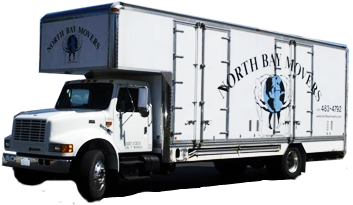
Book an appointment to get expert help from North Bay Movers and make your office relocation easier from start to finish.
Frequently Asked Questions
How far in advance should I plan a business relocation?
Most companies should begin planning at least 6 to 8 weeks. Larger spaces or more complex setups may need more time.
What causes the most downtime during a move?
The biggest issues are usually poor planning, IT delays, weak labeling, and moving everything at once.
Should employees pack their own desks?
They can, but it helps to give them clear packing instructions. Keep daily-use items separate and mark priority boxes clearly.
Is it better to move after hours?
Yes. Evening or weekend scheduling often reduces disruption and gives your team time to restart smoothly.